Analysis by James T. · Reviewed 2026-07-04 · 8 min read
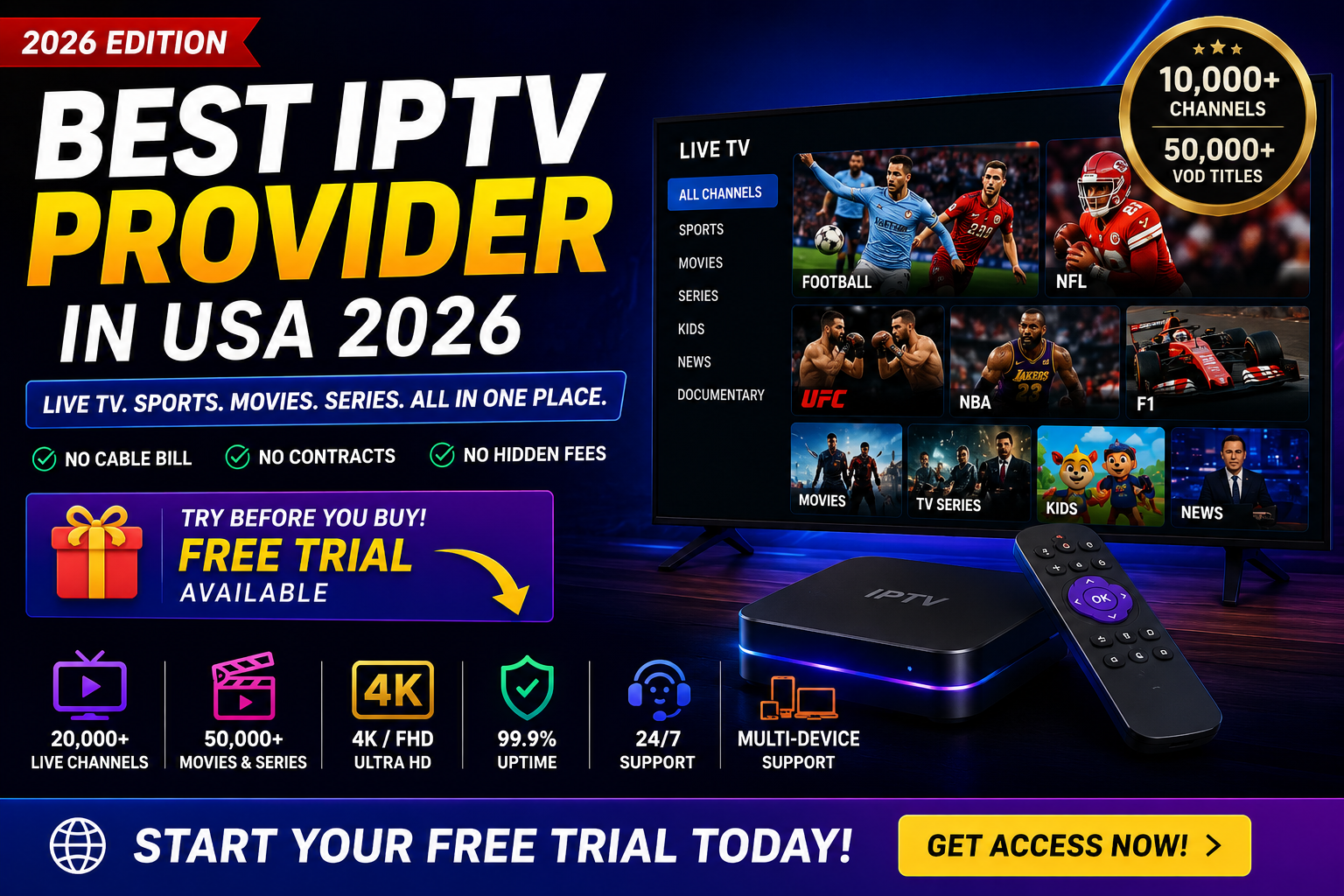
Many consumers are drawn to IPTV subscription services as a means to access their favorite television programming and films. However, misunderstanding these services can hinder a buyer's experience and overall satisfaction. This article aims to dispel common myths related to IPTV subscription services to help consumers make better decisions about their viewing options.
By separating fact from fiction, potential users of IPTV services can find reliable options that suit their viewing preferences and budgets while ensuring a safe and legal streaming experience. Let's explore the five prevalent myths surrounding IPTV subscription services.
1. Myth 1: IPTV is Illegal
A prevalent myth is that all IPTV services operate illegally. While some IPTV providers may distribute unauthorized content, many reputable providers offer legal content through licensing agreements. Understanding the difference is crucial. For instance, legitimate streaming services like Hulu or Netflix operate on similar principles while providing a wide range of content legally.
2. Myth 2: IPTV Is Always Expensive
Related Reading: Why Free eBay Gift Card 2026 Claims Fail - And What Actually Works
Many believe IPTV subscription services are prohibitively expensive. In reality, there are various affordable IPTV subscription plans catering to different budgets. By doing proper research, consumers can find the best IPTV subscription service for 2025 within their financial reach, offering value without sacrificing quality.
3. Myth 3: All IPTV Services Are the Same
Not all IPTV services are created equal, contrary to popular belief. Variances exist in streaming quality, channel variety, customer support, and user interface. Reviews on platforms like Reddit highlight these differences, helping potential subscribers identify trustworthy providers that meet their specific needs, such as the best IPTV for sports channels or family-friendly options.
4. Myth 4: You Must Know Technical Skills to Use IPTV
Related Reading: How to Start with IPTV Subscription Cheap - A Beginner's Guide
Some individuals think that a solid technical background is necessary to enjoy IPTV services. However, most leading IPTV subscription services are designed with user-friendliness in mind, enabling even novice users to set up and navigate these services easily. Comprehensive tutorials and customer support from providers further simplify the process.
5. Myth 5: IPTV is Only for Live TV
While IPTV does provide access to live television broadcasts, it also offers a range of on-demand content, including films and series. This flexibility allows subscribers to enjoy their favorite shows when it suits them best, making IPTV a versatile solution for modern viewers.
What Actually Works Based on Evidence
Related Reading: How to Start With an IPTV Subscription Service: A Beginner's Guide
Now that we have dispelled the myths, it’s important to highlight what genuinely works regarding IPTV services. Firstly, legality is key; always choose a provider that operates with the rights to distribute content. Secondly, look for reviews and ratings to assess provider reliability, especially on platforms like Reddit or tech blogs.
Comparison Table: Popular Beliefs vs. Reality
| Popular Belief | Reality |
|---|---|
| All IPTV is illegal | Many reputable services offer legal content |
| IPTV is always expensive | Affordable plans exist for different budgets |
| All IPTV services are the same | Quality and content vary significantly |
| Technical skills are necessary | User-friendly interfaces eliminate the need for technical knowledge |
| Only for live TV | Offers extensive on-demand content as well |
IPTV Subscription Service
Review live stock availability, promotional bundle milestones, and open checkout routes.
BUY NOW →
Factual Clarifications (FAQ)
1. What is IPTV, and how does it work?
IPTV, or Internet Protocol Television, delivers television programming and video content over the internet. It functions by transmitting packets of data over broadband networks, allowing viewers to stream content live or on demand.
2. How do I choose a reliable IPTV service?
To select a reliable IPTV service, check for licensing, read user reviews on platforms such as Reddit, and ensure they offer a variety of channels and content. Look for services with positive customer support experiences as well.
3. Can I use IPTV on my smart TV?
Yes, most smart TVs support IPTV applications. You can either download an IPTV app directly from your TV's app store or use a streaming device connected to the TV if it’s not natively supported.
4. Is an internet connection required for IPTV?
Yes, an IPTV subscription requires a stable internet connection. Higher bandwidth is preferred for smooth streaming, especially for high-definition content.
5. Are there free IPTV subscription options?
While some free IPTV options exist, they often lack reliability and content variety. It's generally safer and more beneficial to invest in a paid service, which provides better quality and lawful access to content.
6. How to install IPTV on my device?
Installation processes vary by device and service. Most providers offer guides for setting up their service, while popular IPTV apps are available for download in app stores or through dedicated websites.
7. Do I need a VPN for IPTV?
Using a VPN with IPTV is recommended, as it can enhance privacy and security while streaming. It can also help bypass geographical restrictions in some cases.
8. Can I cancel my IPTV subscription anytime?
Most IPTV subscription services allow users to cancel at any time. However, it's advisable to review the cancellation policy outlined by your service provider.
Conflict Matrix Disclaimer: This resource preserves premium integration paths. Editorial assessments track pure data baselines natively.